Birth: 03/08/22 — Pirmasens, Germany
Death: 12/06/14 — Manchester, New Hampshire (age 92)
Games Created or Co-Created: Magnavox Odyssey (the first home video game console), Simon, the Brown Box prototype
Other Works: Sanders Associates; 150+ U.S. and foreign patents; National Medal of Technology (2006); National Inventors Hall of Fame (2010); IEEE Edison Medal (2014)
Cause of Death: Not publicly stated — died peacefully at home, surrounded by family, age 92
Ralph Baer was 92 when he passed away at home in Manchester, New Hampshire, in 2014 — and he was still inventing. That might be the most Ralph Baer thing of all. He once told a reporter that inventing was in his genes, “almost like breathing,” and he meant it. He kept at it right up to the end.
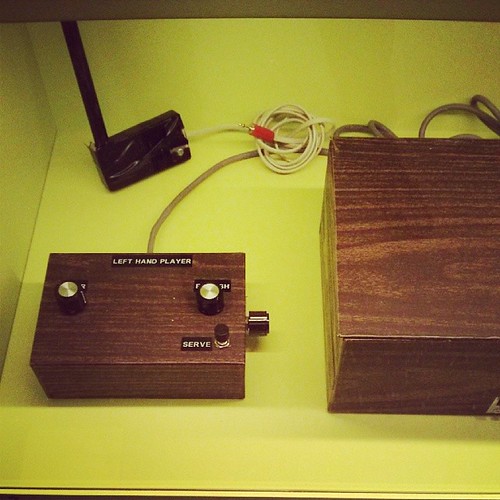
I find it hard to overstate what this man did. Before Ralph Baer, a television was something you watched. After him, it was something you played. He is the reason there is a video game industry at all — the “Father of Video Games,” and unlike a lot of titles like that, this one is not an exaggeration. In 1966, while he was a division manager at Sanders Associates, a defense electronics firm in New Hampshire, he wrote a four-page memo proposing that people might play games on their home television sets. His bosses gave him $2,500 and two engineers, Bill Harrison and Bill Rusch, and over 1967 and 1968 the three of them built a series of prototypes in secret, ending with a box covered in wood-grain vinyl they called the Brown Box. It could play a dozen games, including a little table-tennis game that would change everything.
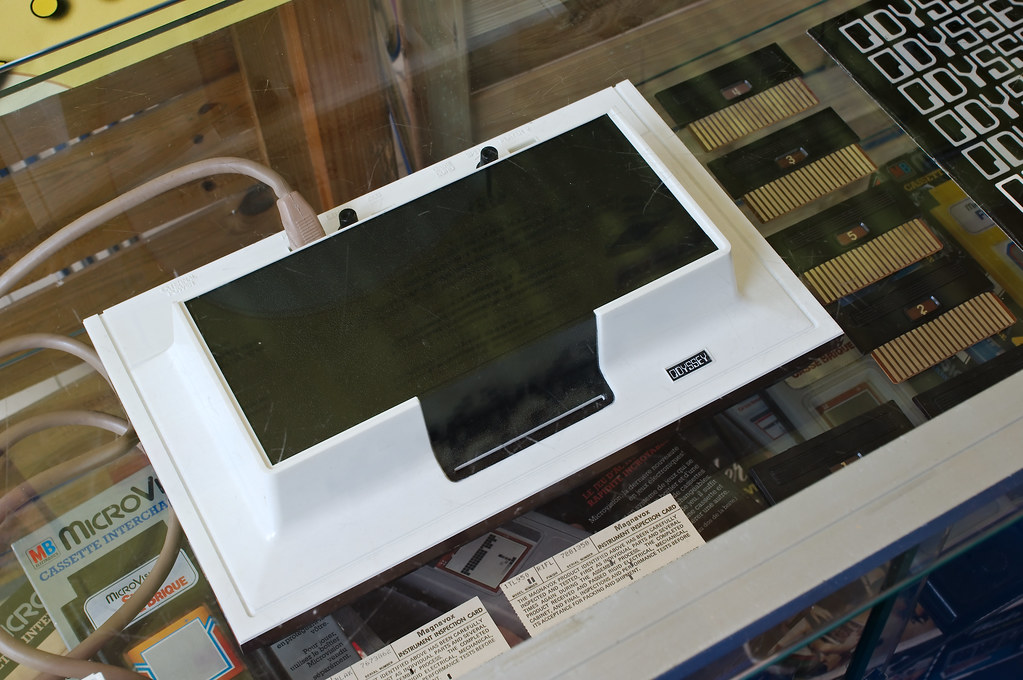
Magnavox licensed the Brown Box and released it in September 1972 as the Magnavox Odyssey — the first home video game console ever sold. It was simple, almost crude by today’s standards: a box that plugged into your TV, with overlays you taped to the screen and a pair of chunky controllers. But it was the first. And when Atari’s Pong came along a few months later, it owed its existence to the Odyssey’s table-tennis game. Baer’s patents on the idea of generating and controlling game symbols on a television held up in court for two decades, and Atari — along with just about every early console maker — ended up paying him.
Ralph’s story starts long before the Odyssey, though, and it is worth knowing. He was born Rudolf Heinrich Baer in Pirmasens, Germany, in 1922, to a Jewish family. He was expelled from school at 14 under Nazi anti-Jewish laws, and in 1938 his family fled Germany for New York, just two months before Kristallnacht. He arrived at 16, worked in a factory for $12 a week, trained as a radio service technician, and was drafted into the U.S. Army in 1943, serving in military intelligence. After the war he earned what is believed to be the first bachelor’s degree in television engineering in the United States.
And here is the part I love: the idea of games on a TV first came to him in 1951, while he was working at Loral Electronics. He pitched it to his boss, and his boss shot it down. Fifteen years later, waiting at a bus terminal in New York on a business trip, the idea came back to him — and this time he wrote it down. Sometimes the best ideas just need to wait for their moment.
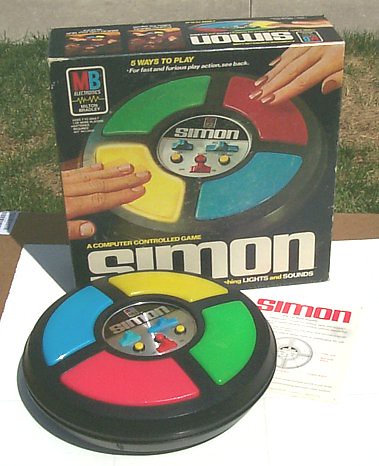
He was not a one-invention man, either. In 1978, with Howard Morrison at Marvin Glass & Associates, he co-created Simon — that round disc with four colored lights that beeped a pattern you had to repeat. If you grew up in the late seventies or eighties, you know Simon. It was everywhere, and it is still being sold today. He went on inventing toys and games for decades after that, partnering with Bob Pelovitz at Acsiom from 1983 right up until his death.
The honors came late, but they came in full: the National Medal of Technology in 2006, presented by President George W. Bush; induction into the National Inventors Hall of Fame in 2010; the IEEE Edison Medal in 2014, the year he died. Over 150 patents to his name.
Ralph Baer will be remembered for giving us the home video game — for looking at a television and seeing not just a screen, but a playground. Every console, every handheld, every game you have ever played traces back to a four-page memo and a box covered in wood-grain vinyl. He left behind a legacy of creativity and curiosity that can never be replaced.
What you may not know
- The idea of playing games on a TV first came to Baer in 1951, while he worked at Loral Electronics — but his boss rejected it. It took 15 years, and a daydream at a New York bus terminal in 1966, before he got to build it.
- Atari’s Pong was inspired by the Odyssey’s table-tennis game, and Baer’s patents held up in court for two decades — Atari and other early console makers ended up paying him licensing fees.
- There is a Baer Square in Manchester, New Hampshire, with a life-size bronze statue of Baer sitting on a bench. The Computer Spiele Museum in Berlin gives free admission to anyone who shows a photo of themselves on his bench.
Portfolio
Company: Magnavox
Year: 1972
Platform: Television (first home video game console)
|
|
Company: Milton Bradley
Year: 1978
Platform: Electronic game
|
|
Company: Sanders Associates
Year: 1968
Platform: Television (prototype)
|
|