Birth: 12/01/40 — Brooklyn, New York
Death: 04/09/11 — Santa Clara, California (age 70)
Games Created or Co-Created: Fairchild Channel F, Demolition Derby, Videosoft Color Bar Generator
Other Works: Fairchild Semiconductor (1970–1980), Chief Hardware Engineer and Director of Engineering and Marketing, Fairchild video game division; founder of Videosoft (1980); one of the first African-American engineers in Silicon Valley; Homebrew Computer Club member
Cause of Death: Complications from diabetes
Jerry Lawson is the man who gave video games their cartridge. The Fairchild Channel F was the first commercial home console built around programmable ROM cartridges — games stored as software on a removable cartridge you could slide in and swap out. Earlier consoles like the Magnavox Odyssey (1972) used removable cards, but those were circuit jumpers, not cartridges holding game code. Every cartridge, every game card, every swappable game you have ever played traces back to Lawson and the Channel F.
He grew up in Queens, New York, in a federal housing project, the son of a longshoreman father who loved science and a mother who worked for the city. He was building things before he was a teenager — at 13 he had his amateur ham radio license and a station he built himself out of parts from local electronics stores, with an antenna hanging out of his window. He repaired television sets for money, and he attended Queens College and the City College of New York, though he never finished a degree at either.
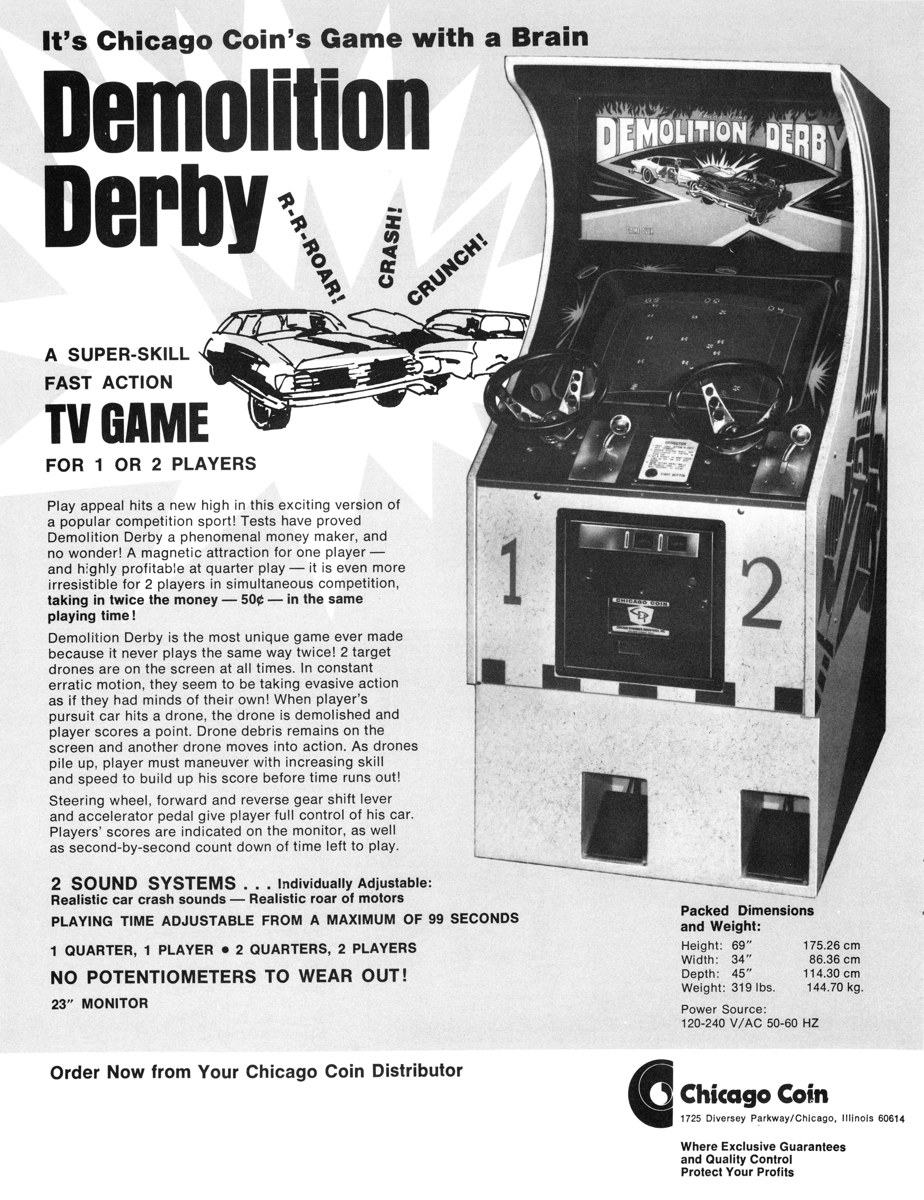
In 1970 he joined Fairchild Semiconductor in San Francisco as an applications engineering consultant. In his spare time, working in his garage, he built a coin-operated arcade game called Demolition Derby out of Fairchild’s F8 microprocessor, and put one in a pizza parlor in Campbell, California.
Fairchild noticed. By the mid-1970s he was Chief Hardware Engineer and Director of Engineering and Marketing for Fairchild’s video game division, and he was put in charge of the company’s secretive entrance into the home video game market.
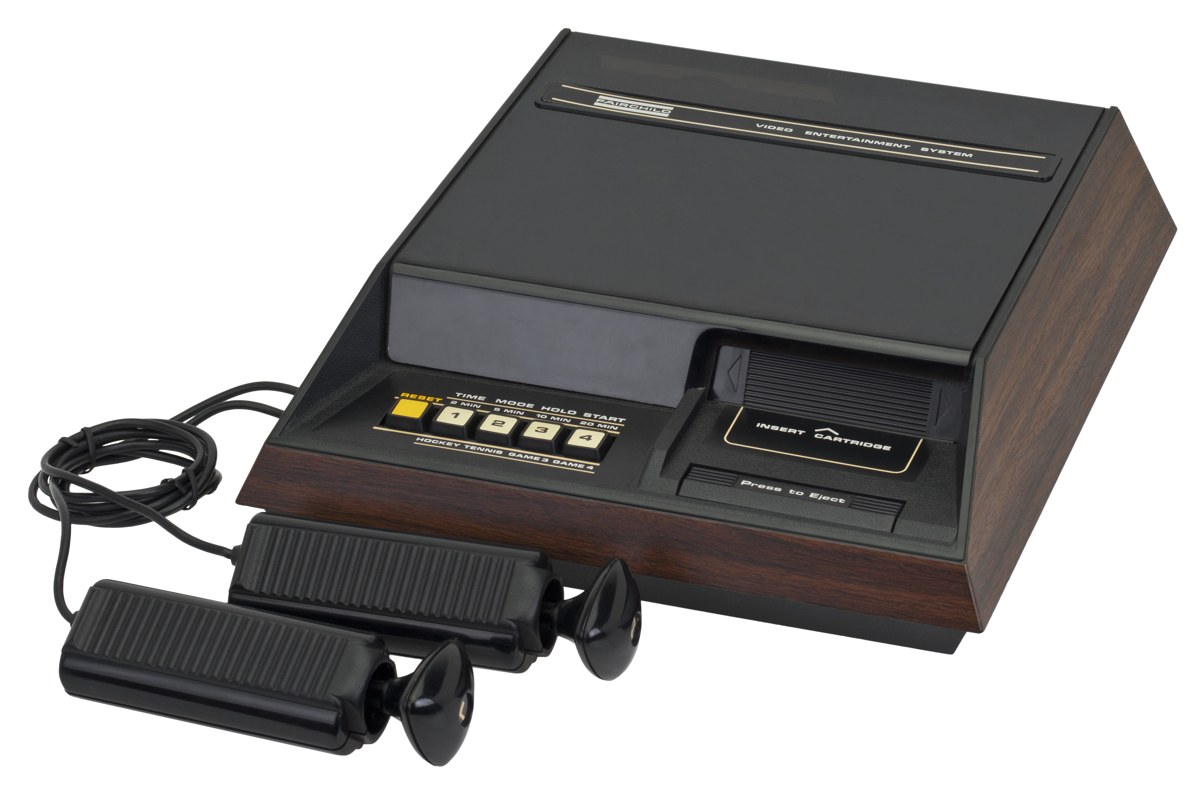
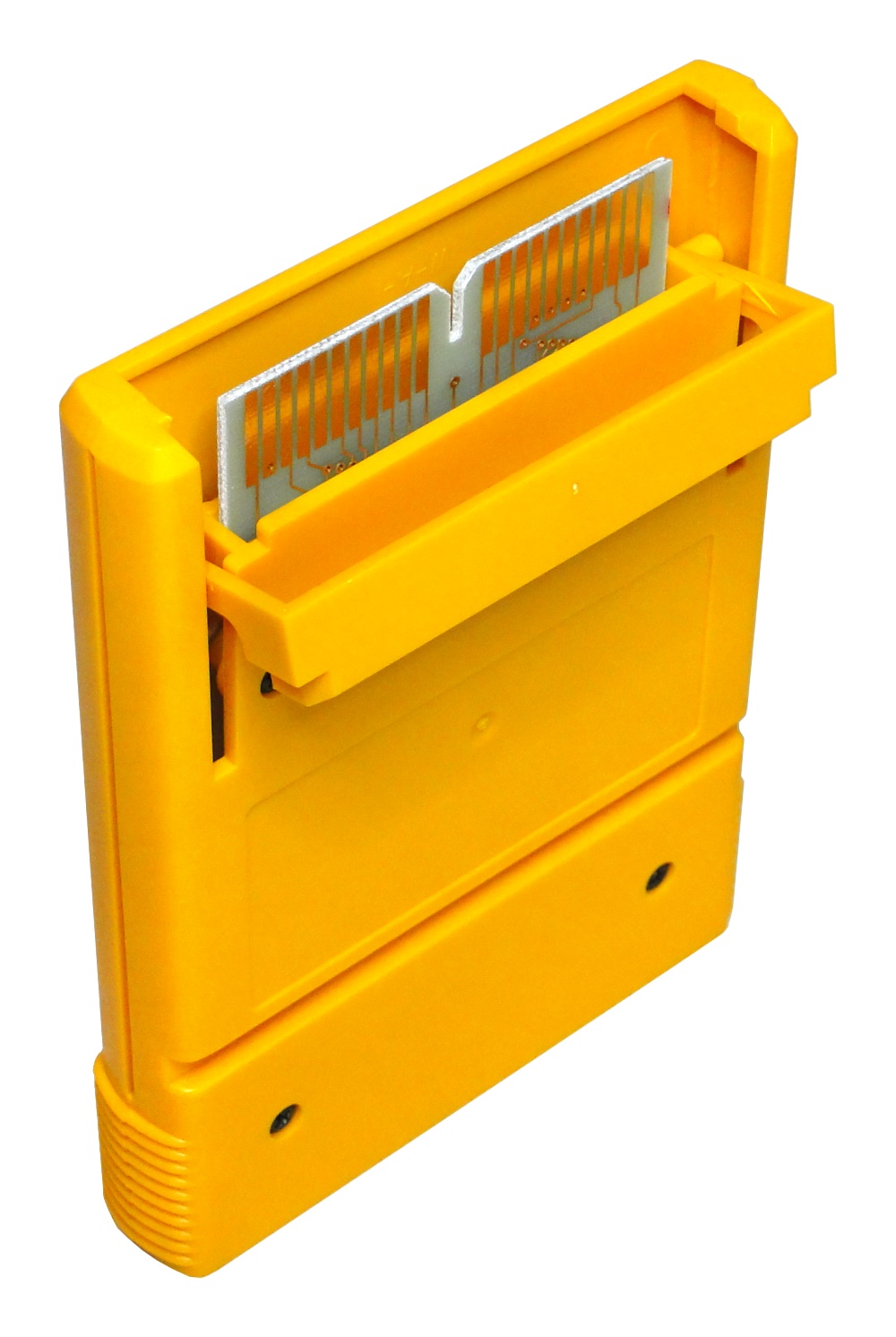
The result was the Fairchild Channel F, released in 1976. It was the first home console built around interchangeable cartridges — games stored as software on removable ROM cartridges. The underlying technology was licensed from Alpex, where Wallace Kirschner and Lawrence Haskel had developed it, and Lawson led the Fairchild team — alongside industrial designer Nick Talesfore and others — that turned it into a durable consumer product.
Before the Channel F, a console’s games were built into its hardware. After it, you could buy a new cartridge and play a new game. Atari’s Video Computer System, which came a year later, used the same idea — and so has every cartridge console since. The Channel F was also the first home console with a pause button, and its eight-way joystick was designed by Lawson himself.
“The whole reason I did games was because people said, ‘You can’t do it’… I’m one of the guys, if you tell me I can’t do something, I’ll turn around and do it.”-Jerry Lawson, San Jose Mercury News, March 2011
He was also one of the few Black engineers in Silicon Valley at the time, and an active member of the Homebrew Computer Club during the 1970s — the hobbyist group that included Steve Jobs and Steve Wozniak. He even interviewed Wozniak for a job at Fairchild, and turned him down.
The Channel F never became a hit — it was overshadowed by the Atari 2600, and only 26 cartridges were ever released for it. In 1980 Lawson left Fairchild and founded his own company, Videosoft, making software for the Atari 2600. It commercially released only one cartridge, a technician’s tool called the Color Bar Generator (around 1984), before closing in the video game downturn of 1983–1985. Years later, six Atari 2600 prototype games Videosoft had developed were produced in a small limited run of 100 copies in 2010, with Lawson’s collaboration.
Around 2003 he began having complications from diabetes, losing the use of one leg and sight in one eye. In March 2011, about a month before his death, the International Game Developers Association honored him as an industry pioneer. He accepted the honor from a wheelchair.
He died on April 9, 2011, of complications from diabetes. He was 70. He was survived by his wife Catherine, his son Anderson, his daughter Karen, and his brother Michael.
Jerry Lawson will be remembered for giving us the game cartridge — for looking at a console and seeing a system that could grow, and for proving that the person who changes an industry does not have to look like everyone else in the room. Every cartridge you have ever slid into a console traces back to him. He left behind a legacy of creativity and perseverance that can never be replaced.
What you may not know
- Lawson’s grandfather was trained as a physicist, but because he was African American he could find no work in the field, and spent his life employed by the U.S. Post Office.
- At 6 feet 6 inches tall and about 300 pounds, Lawson was an imposing figure — his children said his stature was intimidating.
- He built walkie-talkies as a boy and sold them to friends and classmates.
- He was honored posthumously with the ID@Xbox Gaming Heroes award at the 21st Independent Games Festival on March 20, 2019, for leading the development of the first cartridge-based game console.
- There is a permanent display of Lawson’s contribution to the gaming industry at the World Video Game Hall of Fame at The Strong National Museum of Play in Rochester, New York.
- Google dedicated a Doodle to Lawson on December 1, 2022, for what would have been his 82nd birthday — an interactive page that let visitors build games.
Portfolio
Company: Fairchild Semiconductor
Year: 1976
Platform: Home console
|
|
Company: Fairchild Semiconductor
Year: 1976
Platform: ROM cartridge
|
|
Company: Chicago Coin
Year: 1975
Platform: Arcade
|
|
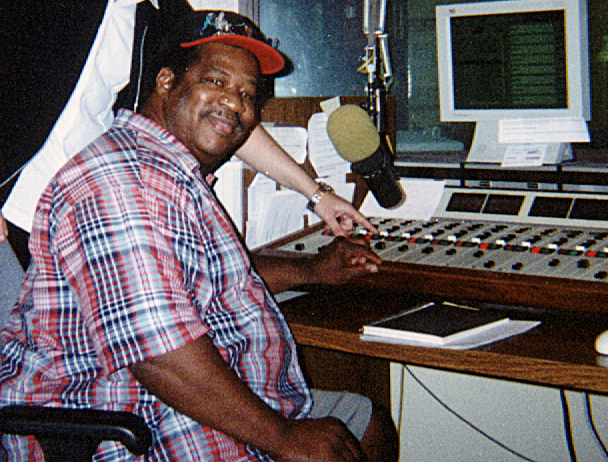
Portrait: Jerry Lawson at KJZZ Radio — Wikimedia Commons (OU133, CC BY-SA 4.0).
Fairchild Channel F console — Wikimedia Commons (Evan Amos, CC BY-SA 3.0).
Channel F Videocart cartridge — Wikimedia Commons (Schnurrikowski, CC BY-SA 4.0).
Demolition Derby advert (Chicago Coin, January 1976) — Wikimedia Commons (public domain).
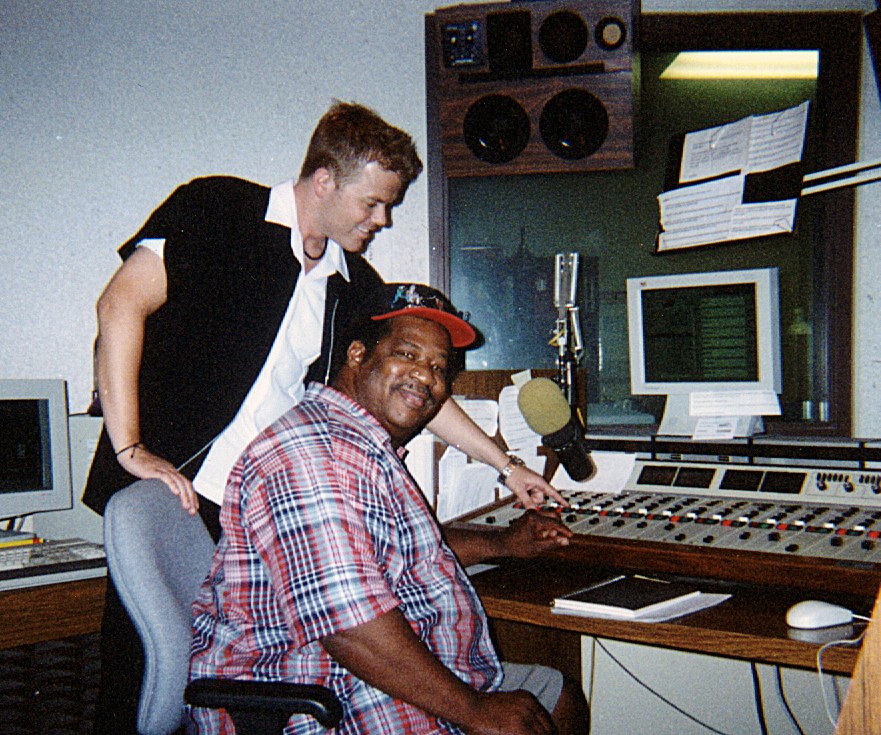
Jerry Lawson with Drew Verbis at KJZZ Radio — Wikimedia Commons (OU133, CC BY-SA 4.0).