Birth: 1954, Tokyo, Japan
Death: November 2026 — (age 72)
Games Created or Co-Created: Galaxian, Rally-X, Pole Position, Pole Position II, Steel Gunner, Solvalou, Ridge Racer
Other Works: Manager of Development and Production at Namco (late 1990s); head of Namco’s mobile division (2005)
Cause of Death: Not publicly stated — died in November 2026, age 72
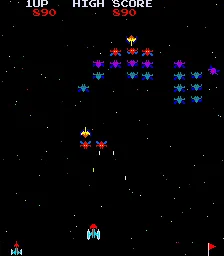
Koichi Tashiro was one of the quiet architects of Namco’s golden age. He joined the company in April 1978, and his first job was programming a little space shooter called Galaxian. It became Namco’s first major arcade hit, and it set him on a path that would run through the most important racing games ever made.
Galaxian was Namco’s answer to Space Invaders, but it was more than a copy. It was one of the first games with full RGB color graphics, and its enemies didn’t just sit in formation — they broke away and dove at you. It was Tashiro’s first product after being assigned to development, and he never forgot it.
“It was the first product I worked on after being assigned to development, so I feel strongly about it.”-Koichi Tashiro, Famitsu, November 24, 2022 (translated from Japanese)
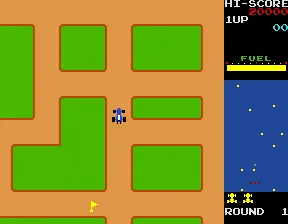
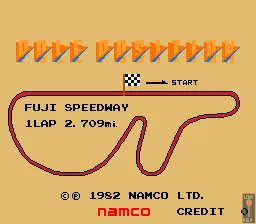
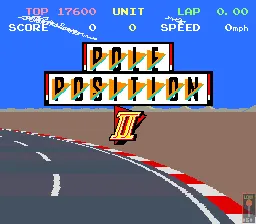
From there he moved into hardware, working on Rally-X in 1980 and Pole Position in 1982. Pole Position changed racing games forever — a pseudo-3D view from behind the car, a real circuit in Fuji Speedway, and a qualifying lap that decided where you started on the grid. Almost every racing game since owes it something.
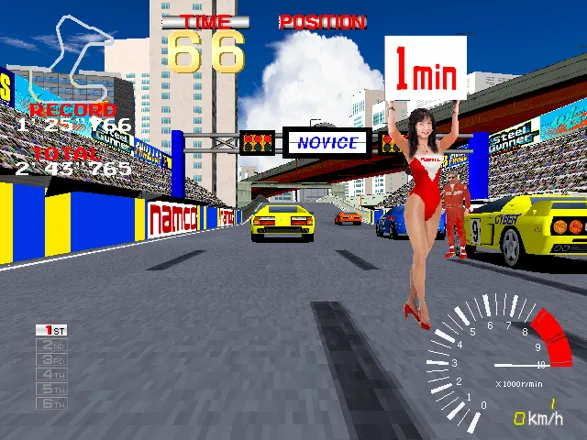
Racing became his thread through the 1980s. He worked on Final Lap and Winning Run, and then in 1993 he led the team that built the original Ridge Racer — the first arcade game with 3D texture-mapped graphics, and the game that launched the PlayStation in Japan a year later.
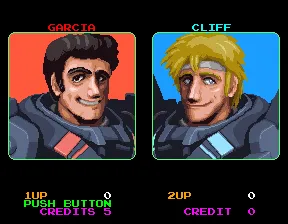
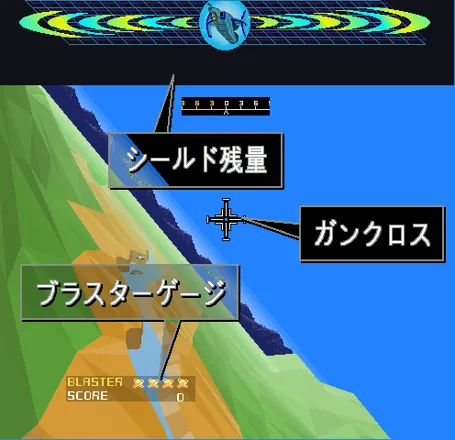
He also stepped into producing, with Steel Gunner in 1990 and Solvalou in 1991, a first-person 3D shooter spun off from Xevious. Later in the 1990s he became Namco’s Manager of Development and Production, and in 2005 he took over as head of the company’s mobile division.
Koichi Tashiro died in November 2026, at the age of 72. No exact date of death has been made public — his death was announced on November 22, 2026. If you know the exact date, please reach out through the Contact page and let me know, so this page can say it properly. He joined Namco in 1978 and was still being celebrated as one of its veterans more than forty years later, when he sat down for a Famitsu interview about Galaxian in 2022.
What you may not know
- Final Lap (1987) was the first racing game to let up to eight players race together, by linking up to four cabinets.
- Winning Run (1988) was the first racing game built with polygon graphics, on Namco’s System 21 hardware.
- Pole Position was popular enough to get its own Saturday morning TV cartoon in the early 1980s.
- The PlayStation version of Ridge Racer lets you play Galaxian while the game loads — his first game hidden inside one of his last.
- He joined Namco in the same 1978 intake as Shigeru Yokoyama, the designer of Galaga.
- Solvalou ran on the same System 21 polygon hardware as Winning Run, and was the first 3D first-person shooter in the Xevious series.
Portfolio
Company: Namco
Year: 1979
Platform: Arcade
|
|
Company: Namco
Year: 1980
Platform: Arcade
|
|
Company: Namco
Year: 1982
Platform: Arcade
|
|
Company: Namco
Year: 1983
Platform: Arcade
|
|
Company: Namco
Year: 1990
Platform: Arcade
|
|
Company: Namco
Year: 1991
Platform: Arcade
|
|
Company: Namco
Year: 1993
Platform: Arcade
|
|
Time Extension (obituary)
ROM Game (obituary)
MeriStation (obituary)
Famitsu (2022 Galaxian interview)
MobyGames
Wikipedia (Galaxian)
Wikipedia (Pole Position)
Wikipedia (Ridge Racer)
Portrait: Koichi Tashiro — Famitsu, via Time Extension.
Galaxian, Rally-X, Pole Position, Pole Position II, Steel Gunner, Solvalou, and Ridge Racer screenshots — MobyGames.